Which Luxury Home Styles Will Stay and Which Will Evolve in 2026?
Home & Design
Home & Design
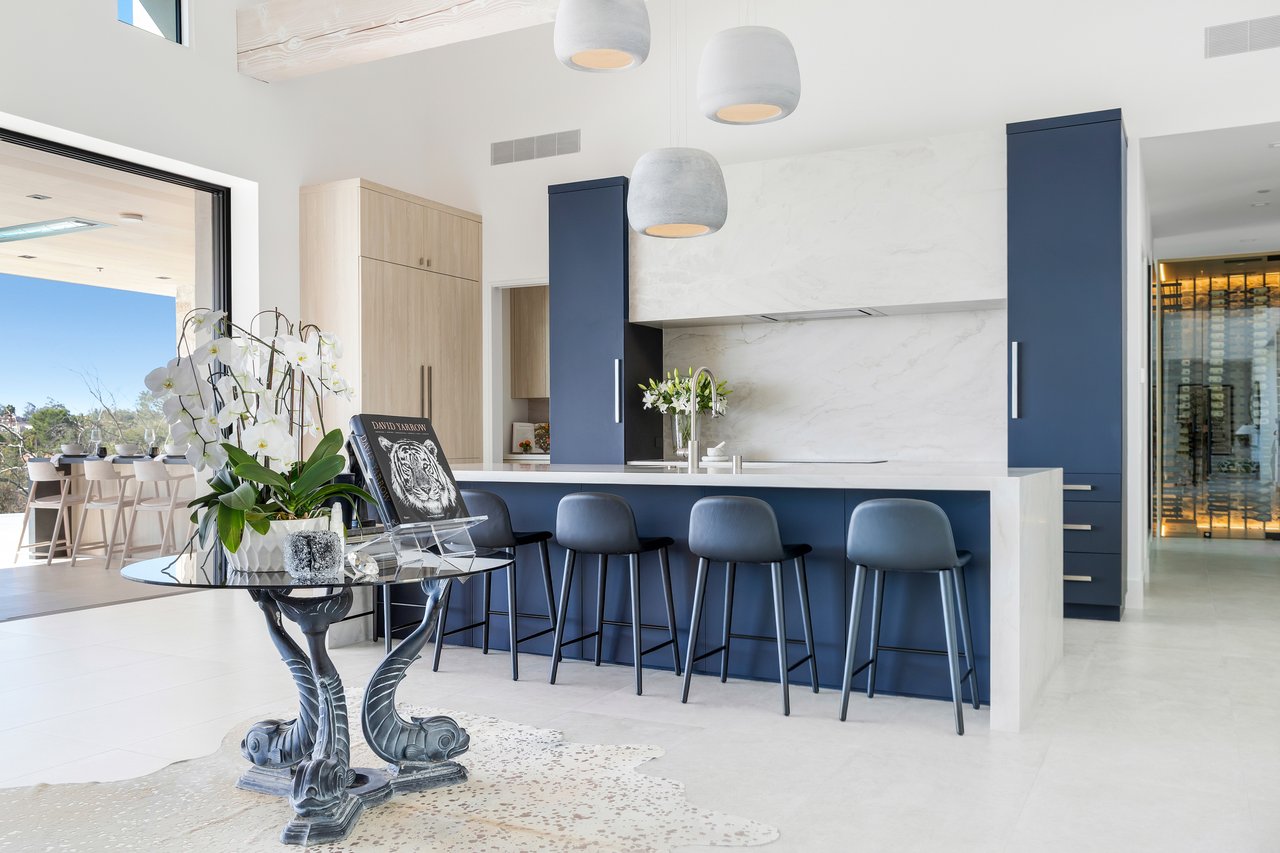
As 2025 comes to a close, luxury home design is evolving toward authenticity, wellness, and craftsmanship. Styles like transitional design, warm minimalism, and indoor-outdoor integration will remain dominant. What’s changing is how these spaces express individuality, less “Pinterest perfect,” more personal, with subtle technology and natural materials that promote well-being. In 2026, luxury buyers will invest in homes that feel curated, healthy, and emotionally grounding.
If you’ve been watching the luxury real estate market in Rancho Santa Fe, La Jolla, Del Mar, or Boston this year, you’ve likely noticed a quiet shift. The bold, glossy modernism of the early 2020s is fading. In its place, buyers are seeking warmth, texture, and timeless comfort.
After more than two decades representing high-end properties across both coasts, I’ve learned that design trends reflect how people want to live, not just how they want their homes to look. 2026 will celebrate homes that support wellness, creativity, and connection.
Transitional design continues to lead luxury markets because it marries structure with softness. Clean architectural lines meet natural tones and textures — a style that feels elevated yet inviting. In Rancho Santa Fe estates, spacious layouts pair beautifully with linen drapery, soft lighting, and neutral palettes that never feel sterile.
Wellness is no longer an upgrade. It’s an expectation. Clients now prioritize private gyms, spa-inspired baths, infrared saunas, and even cold plunge courtyards. According to the American Society of Interior Designers, wellness-driven design ranked among the top three buyer priorities in 2025 — and that momentum is only growing.
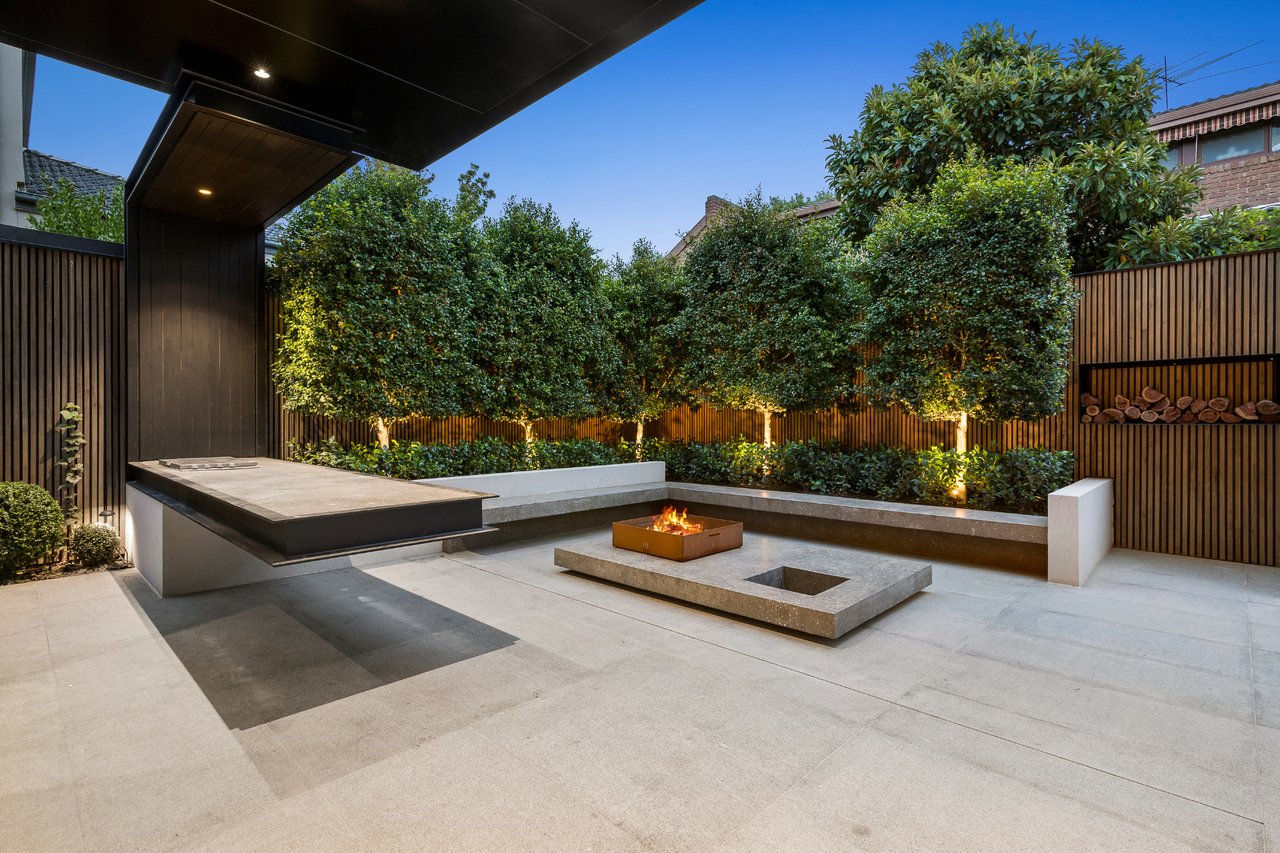
The California lifestyle continues to influence national design sensibilities. Expansive pocket doors, shaded loggias, and resort-style pools are viewed as essential, not extravagant. Buyers want outdoor kitchens and terraces designed for year-round living, blurring the boundaries between interior elegance and open-air leisure.
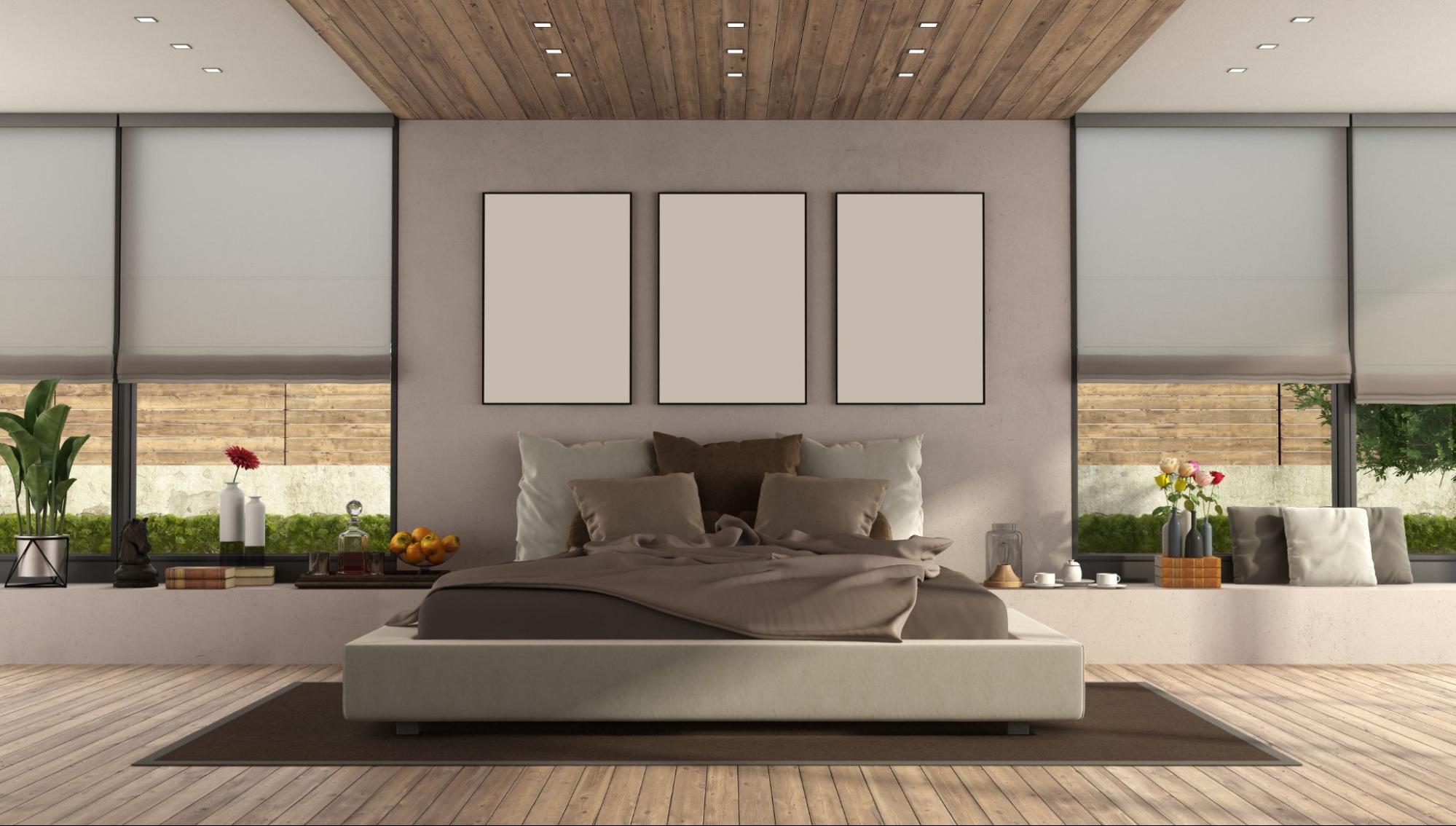
Highly reflective surfaces and stark finishes are losing appeal. The next wave of design emphasizes matte stone, artisanal cabinetry, and tactile materials that feel lived-in. “Today’s buyers want homes that feel human,” I often tell clients. The luxury of 2026 is found in craftsmanship, not shine.
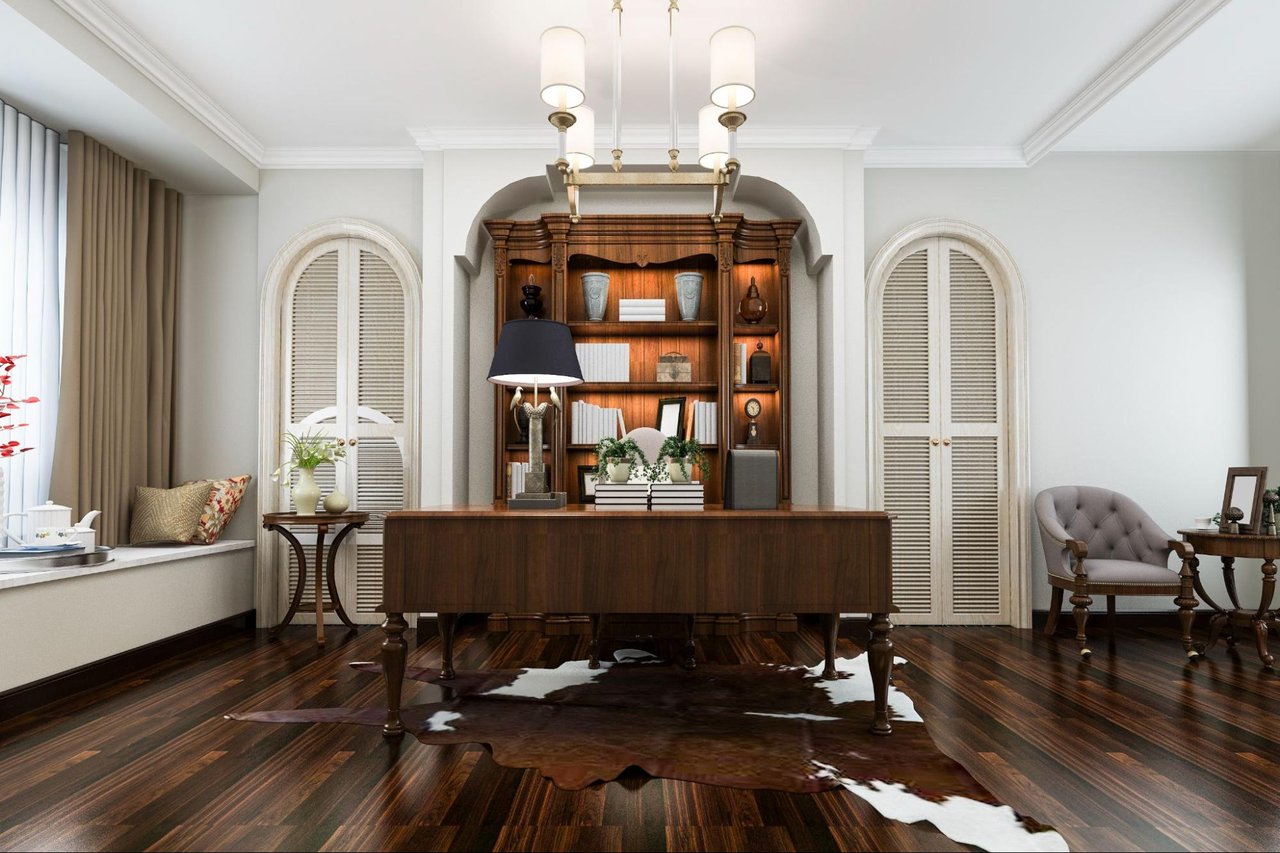
The days of copy-and-paste interiors are ending. Luxury homeowners are moving past algorithm-driven design and embracing personality. Expect more bespoke lighting, curated art, and rooms that reflect travel, heritage, and lifestyle. In Rancho Santa Fe and Back Bay alike, buyers want homes that tell a story.
Smart home technology remains indispensable, but its presence will be more discreet. Wall clutter from multiple screens is disappearing as integrated systems become voice-activated and visually seamless. The ideal 2026 home uses technology to enhance comfort, not dominate design.
From my ongoing client conversations across both coasts, here’s what luxury buyers are asking for in 2026:
Timeless design over fleeting trends
Wellness features that enhance daily life
Architectural warmth with open, functional layouts
Sustainability and energy efficiency
Move-in-ready properties with premium finishes
Homes that meet these expectations are already commanding stronger demand and faster sales.
“As someone who has guided hundreds of clients through shifting design cycles, I can tell you this: the next chapter of luxury living is about emotion. Buyers want homes that feel personal, restorative, and intentionally designed,” says Melinda Sarkis, Luxury Realtor with Coldwell Banker Global Luxury.
Rancho Santa Fe continues to set the tone for California’s luxury design ethos. Buyers drawn to this community value privacy, architecture, and lifestyle integration — indoor-outdoor flow, neutral palettes, and wellness-centric amenities. What emerges here often influences buyer preferences across the country, including urban enclaves like Boston’s Back Bay and Beacon Hill.
As 2026 begins, homeowners who adapt to these evolving priorities will stand out in a competitive market. If you’re considering selling or redesigning your home, focus on creating spaces that feel intentional, balanced, and wellness-driven.
Curious how these trends apply to your property? Let’s discuss how to position your home for maximum appeal in the 2026 luxury market.
Stay up to date on the latest real estate trends.
Home & Design
Melinda Sarkis
A quiet confidence is redefining luxury living.
Home & Design
The End of a Design Era: What Today’s Luxury Buyers Are Prioritizing
Home & Design
Melinda Sarkis
Melinda Sarkis
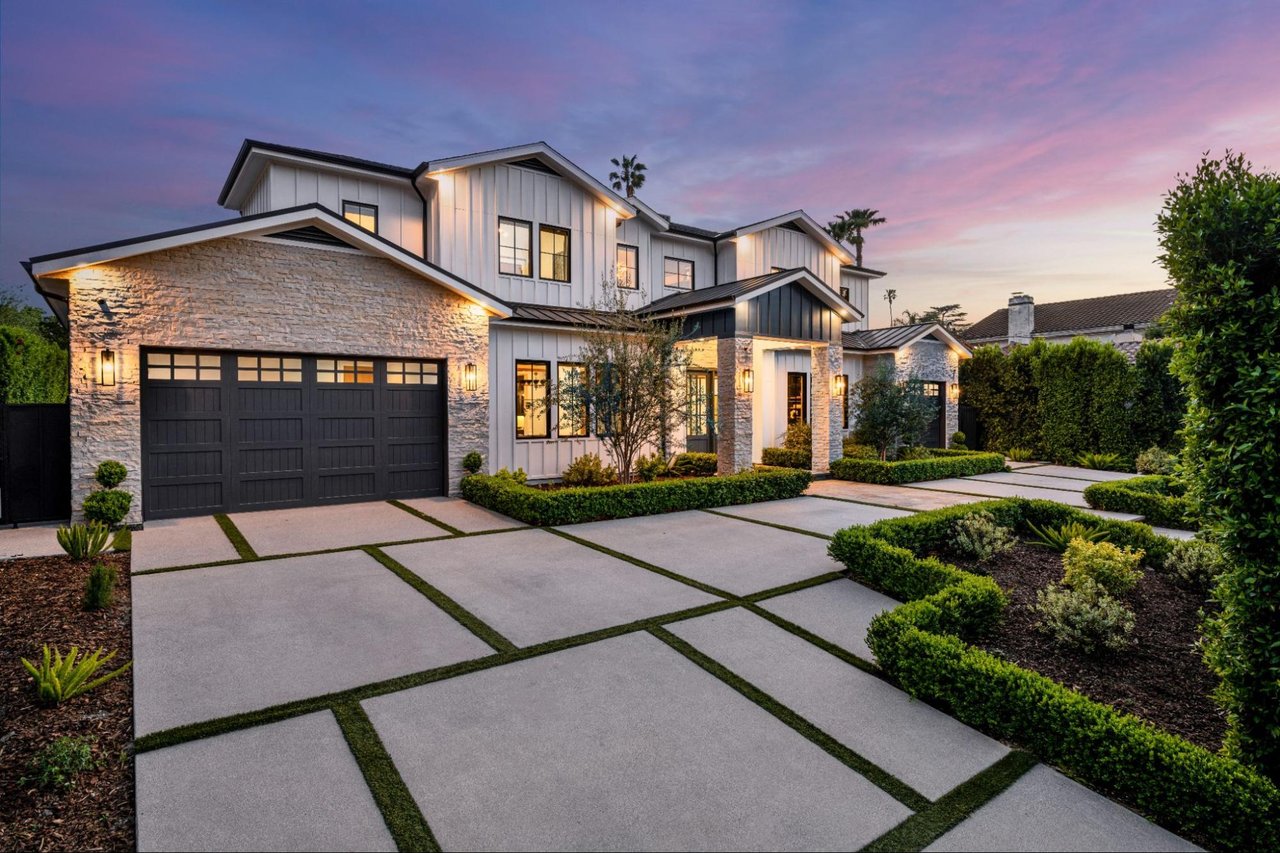
What makes a beautifully designed outdoor space so powerful in today’s luxury market?
Home Buying
Melinda Sarkis
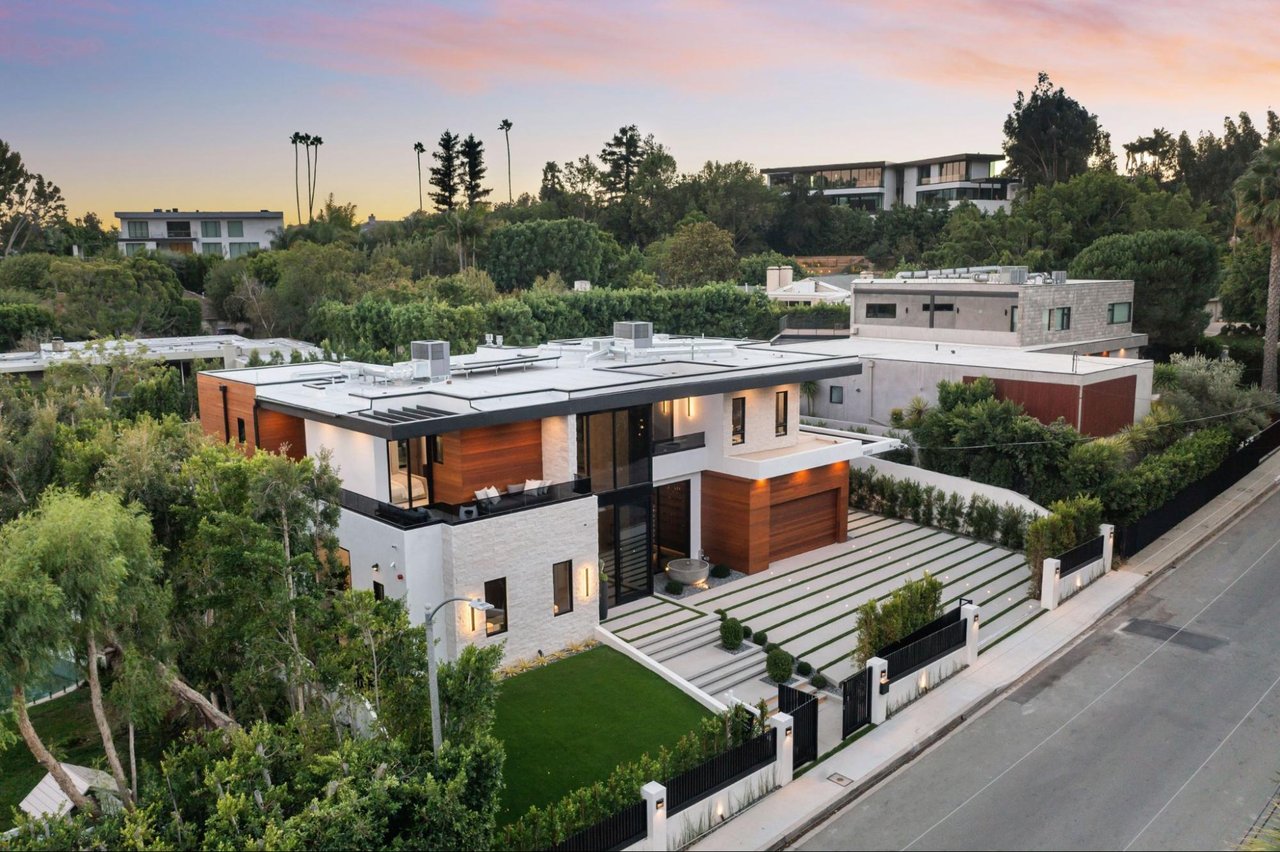
Why Early Preparation Is Key
Melinda Sarkis
What are buyers really looking for these days?
Home Buying
Melinda Sarkis
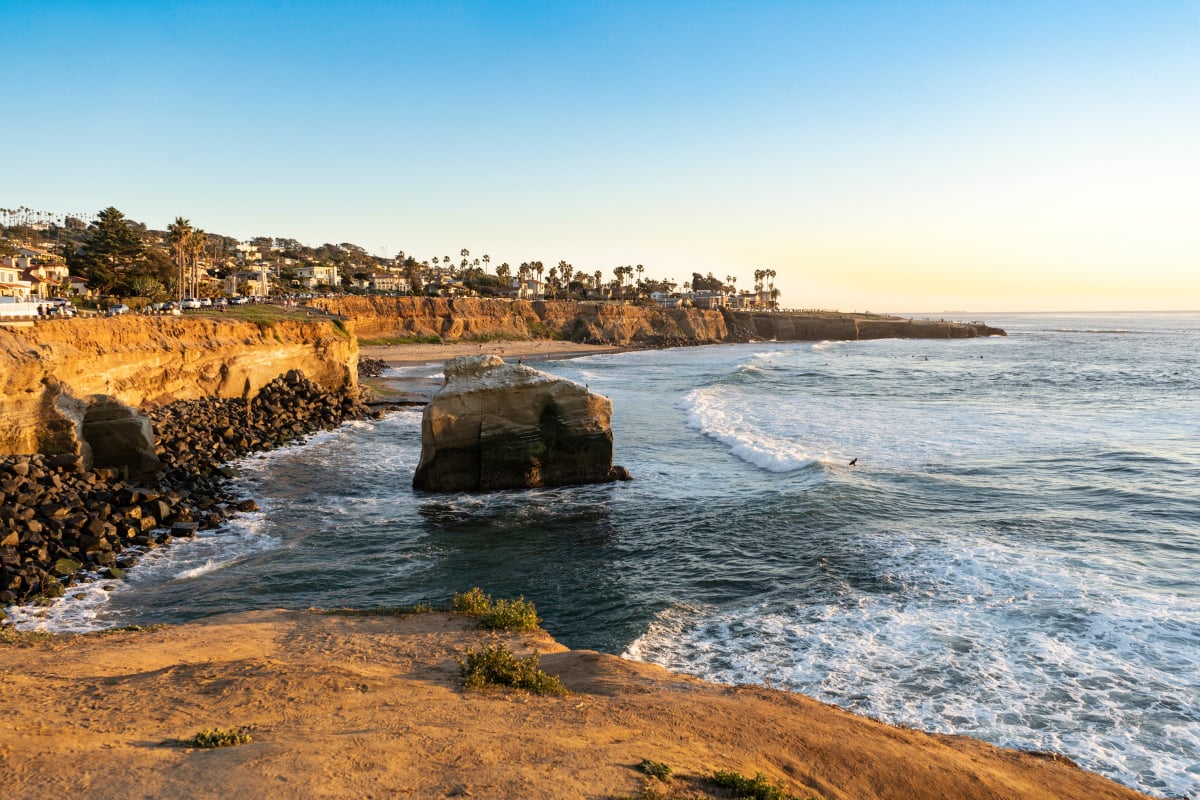
A Shifting Landscape in San Diego Real Estate

Guides
Melinda Sarkis
Tips for Surfing in San Diego
Home & Design
Melinda Sarkis
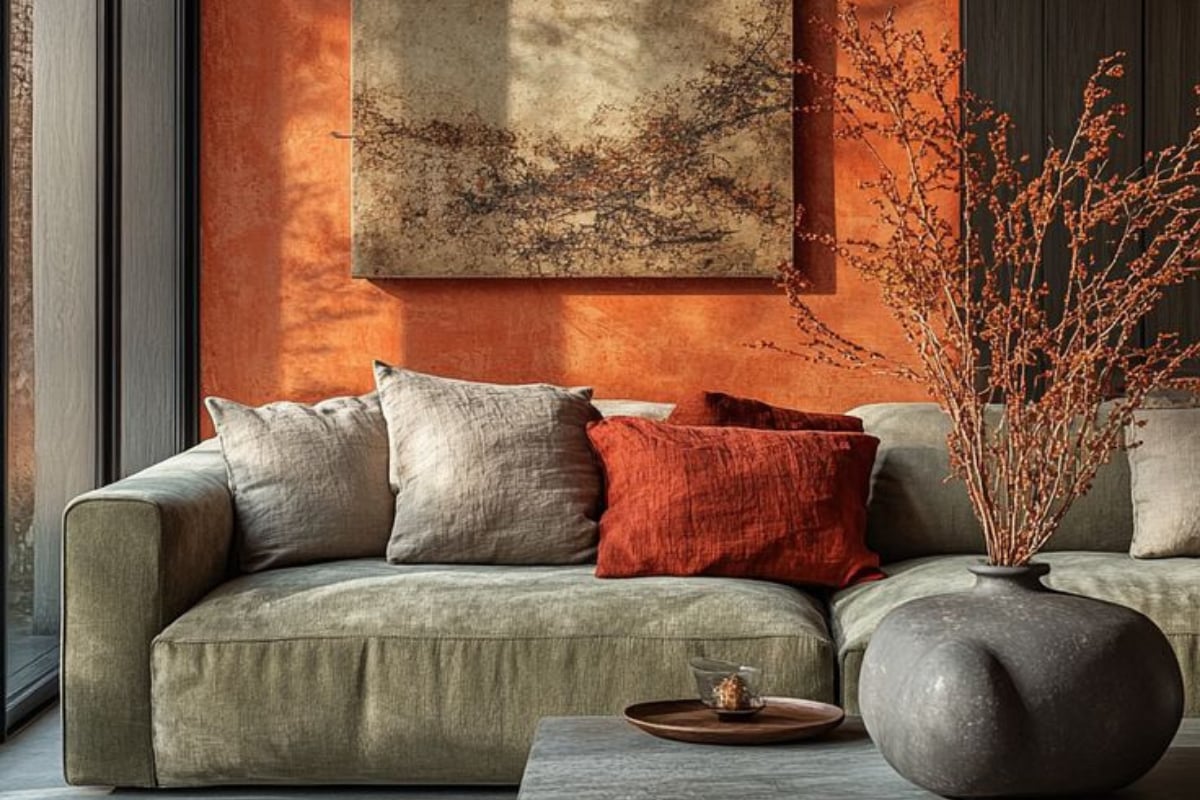
Why Color Is Taking Center Stage in High-End Interiors