Ritual-Centered Living: How Thoughtful Design Elevates Wellness and Luxury Real Estate Value
Home & Design
Home & Design
In the highest tier of real estate, value is rarely about square footage alone. It is about how a home makes you feel the moment you arrive and how it supports the rhythm of daily life once the door closes.
Ritual-centered living speaks directly to this level of discernment. It is the philosophy that wellness is not rushed. It is practiced. And that practice is shaped by design.
For today’s luxury buyers and sellers, especially those acquiring estate properties, coastal retreats, or architecturally significant homes, ritual-centered spaces are no longer a nice-to-have. They are a marker of quality, intention, and long-term livability.
This article explores how ritual-centered design elevates daily wellness while also strengthening a home’s emotional appeal, lifestyle alignment, and perceived value in premium markets.
Ritual-centered living is the intentional design of spaces that transform everyday routines into grounding, restorative moments.
In luxury residences, this approach does three things at once.
It enhances wellness without feeling trend-driven.
It reinforces a sense of privacy and retreat.
It signals refinement to discerning buyers who understand quality beyond surface finishes.
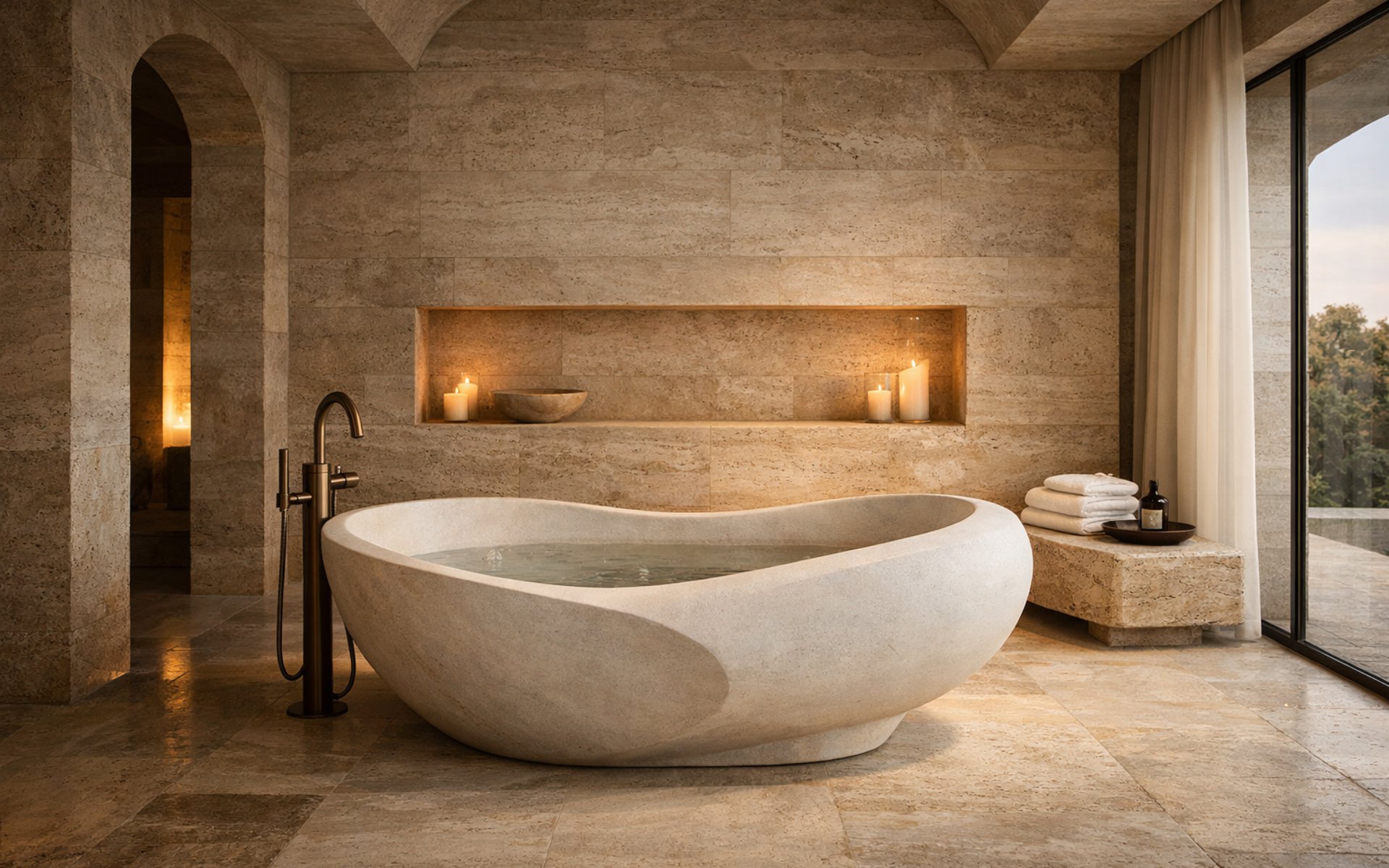
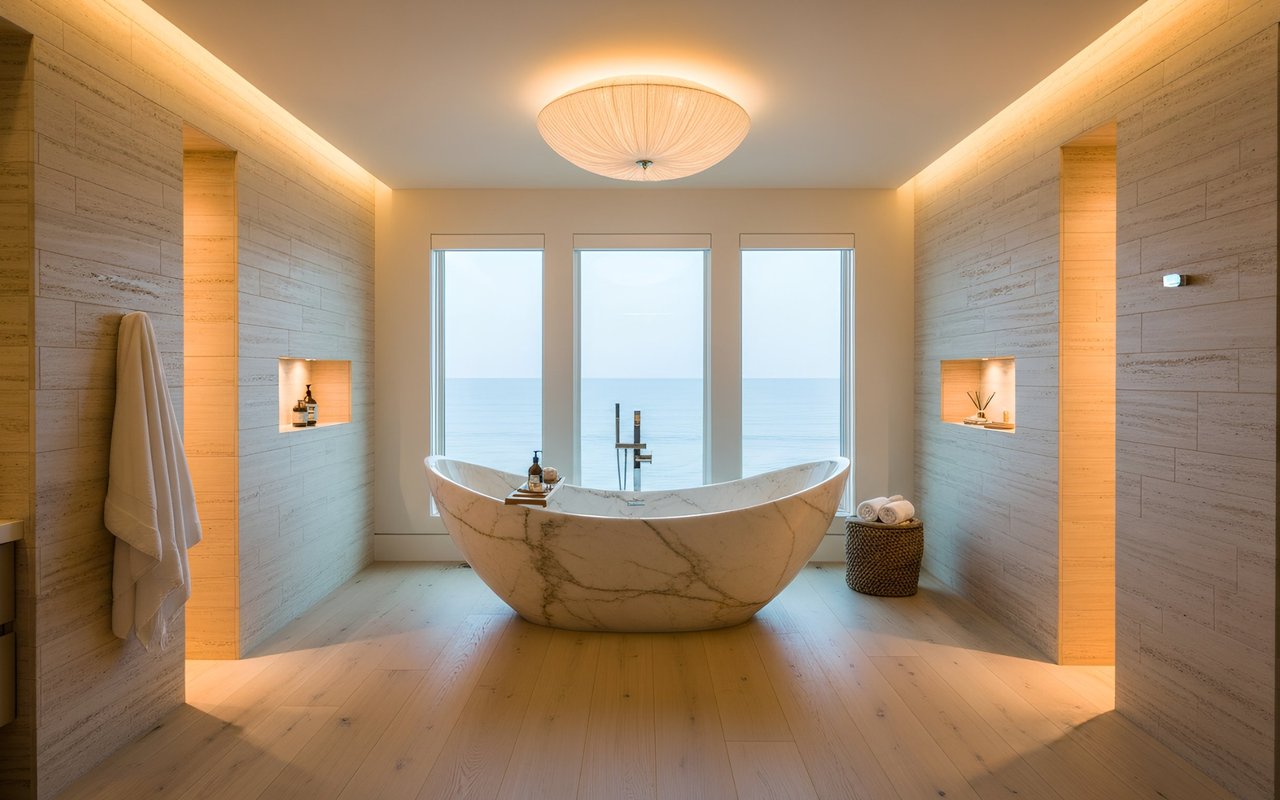
A sculptural soaking tub, a vanity designed as a personal altar, or a dedicated tea and scent station all communicate that the home was designed for living well, not simply living large.
After decades of advising high-net-worth clients, one truth consistently holds. Buyers remember how a home made them feel long after they forget the listing details.
Ritual-centered design creates that emotional imprint.
For buyers, it answers unspoken questions.
Will this home support my lifestyle?
Can I decompress here?
Does this space respect my time and privacy?
For sellers, these spaces photograph beautifully, stage naturally, and differentiate the property without resorting to overt luxury statements. They suggest intention rather than excess, which is increasingly important in both coastal California and historic East Coast markets.
To understand how ritual-centered living shows up in refined homes, it helps to use a simple evaluative framework. Think of it as the Ritual Threshold Method.
Thresholds
Luxury wellness spaces signal transition. Moving from public to private, from day to evening, from work to rest. This is often achieved through lighting shifts, material changes, or spatial separation.
Anchors
Anchors are sculptural or handcrafted elements that command calm attention. A freestanding tub, a custom vanity, or a stone tea surface creates a focal point without visual noise.
Containment
True luxury feels protected. Visual order, intentional storage, and defined zones prevent distraction and allow rituals to unfold without interruption.
Homes that integrate all three feel composed, timeless, and deeply livable.
In high-end properties, the primary bath is no longer a utilitarian space. It is a private retreat.
Sculptural bathtubs function as both wellness tools and architectural features. Their form draws the eye, while their placement invites pause.
From a design and value perspective, the most effective choices include:
Freestanding tubs positioned to preserve sightlines and privacy
Materials such as stone, matte resin, or softened concrete
Lighting that is indirect and layered rather than bright and overhead
These elements quietly communicate permanence and intention, qualities that resonate strongly with luxury buyers.
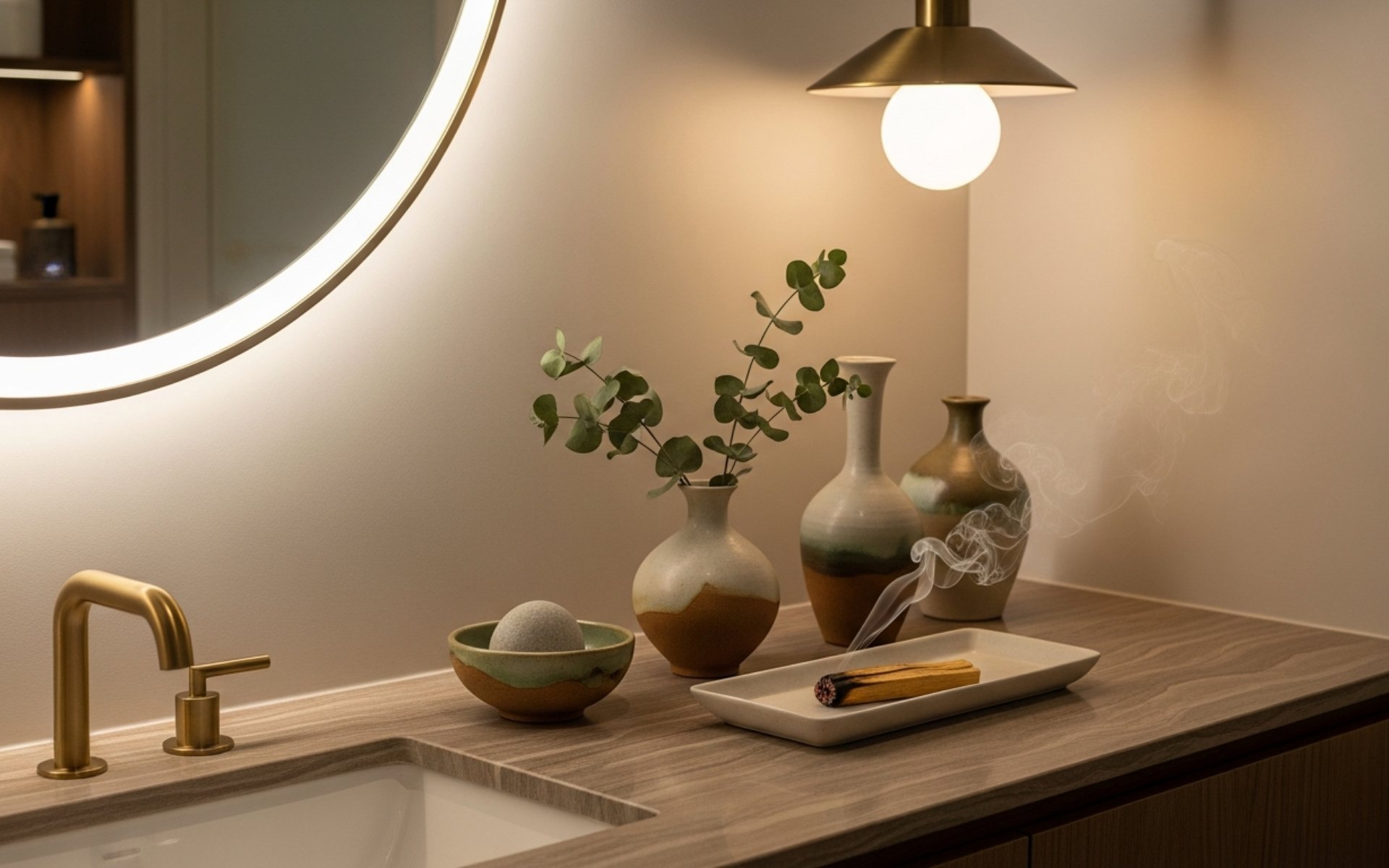
A well-designed vanity does more than store products. It establishes a daily ritual of care.
In refined homes, vanities are increasingly treated as personal altars. They are calm, curated, and tactile.
Design cues that elevate this space include:
Seating that encourages stillness rather than speed
Limited, visible objects chosen for both function and beauty
Natural materials that soften the room and ground the experience
From a market perspective, these details signal thoughtful design rather than trend chasing. They suggest that the home supports a slower, more intentional lifestyle.
In many luxury residences, the most compelling spaces are also the quietest.
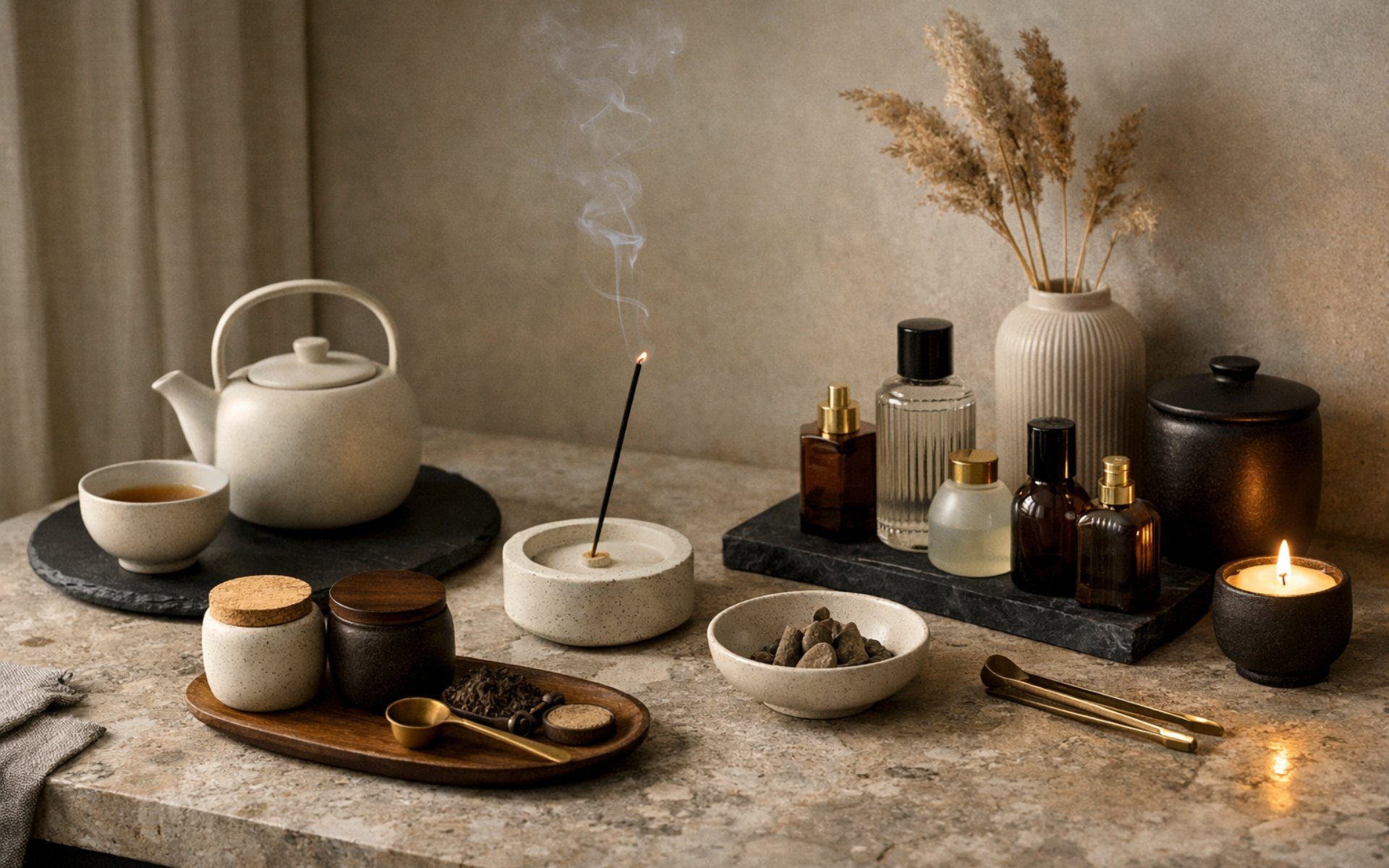
Tea and scent stations offer a powerful example. They require little square footage but deliver significant emotional impact.
Placed along natural transitions such as near a terrace, library, or primary suite, these stations invite a daily pause.
Effective design emphasizes:
Minimal, repeatable setups
Substantial vessels with visual weight
Materials that age gracefully
For buyers, these spaces suggest a home designed for presence rather than performance.
Luxury clients understand the difference between expensive and meaningful.
Handcrafted objects bring a ceremonial presence that mass-produced decor cannot replicate. Subtle irregularities, weight, and texture communicate authenticity and care.
In ritual-centered spaces, handcrafted elements often include:
Artisan ceramics for daily use
Carved wood trays or stone surfaces
Textiles with visible weave and softness
These choices align closely with how discerning buyers evaluate quality. Quietly. Intuitively. Over time.
Lighting is one of the most influential and underestimated design elements in luxury homes.
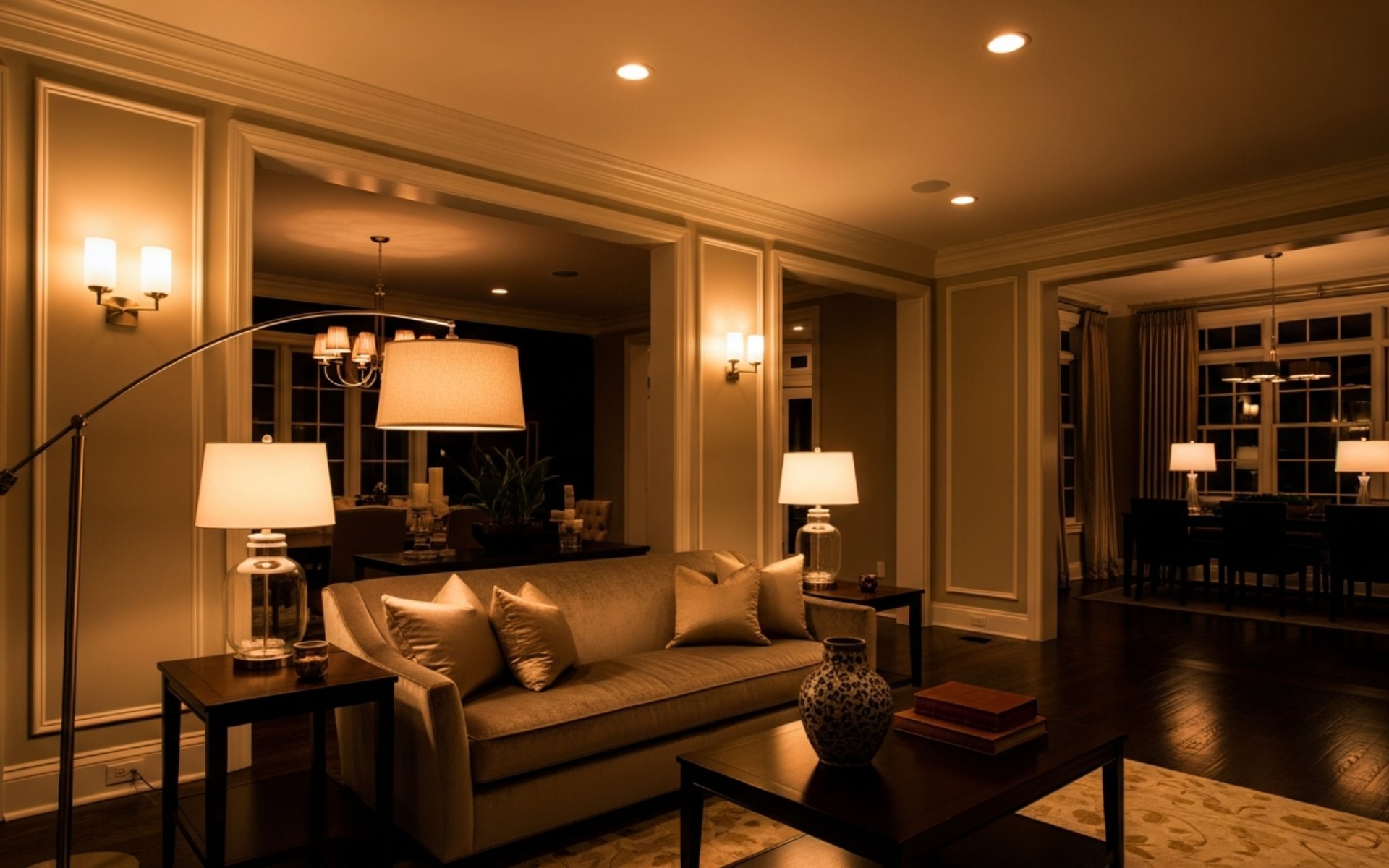
Ritual-centered lighting prioritizes warmth and control. It allows spaces to shift with the day and supports a sense of privacy and calm.
Key strategies include:
Layered lighting plans rather than single sources
Wall sconces, lamps, and concealed lighting
Dimmers that allow gradual transitions
Well-designed lighting enhances wellness and improves how a home is experienced during private showings and evening viewings.
When advising clients or assessing a property, this checklist offers clarity.
Does the space signal a transition into calm?
Is there a clear focal point that invites pause
Are materials timeless and tactile
Is clutter visually contained?
Does lighting support comfort rather than efficiency?
Homes that meet these criteria tend to resonate more deeply with luxury buyers.
Is ritual-centered living a design trend
It is better understood as a return to intentional living. Well executed, it feels timeless rather than fashionable.
Does this approach only apply to new construction
No. Many historic and legacy properties naturally support ritual through their proportions, materials, and craftsmanship.
How does ritual-centered design affect resale value
It enhances emotional appeal, which is often decisive at the high end of the market.
Can smaller spaces still feel ritual-centered
Yes. Intention matters more than scale.
Is minimalism required
No. Clarity and composition matter more than restraint.
Ritual-centered living reflects a deeper understanding of luxury. One rooted in wellness, privacy, and intentional design rather than excess.
For buyers, it signals a home that supports the life they want to live.
For sellers, it strengthens positioning in competitive, design-aware markets.
The most compelling homes are not rushed. They are practiced.
Contact me today for more information.
Melinda Stockmal
[email protected]
(617) 943-8333
Stay up to date on the latest real estate trends.
Home & Design
Melinda Sarkis
What Ritual-Centered Living Means in Luxury Homes
Home & Design
Melinda Sarkis
A quiet confidence is redefining luxury living.
Home & Design
The End of a Design Era: What Today’s Luxury Buyers Are Prioritizing
Home & Design
Melinda Sarkis
Melinda Sarkis
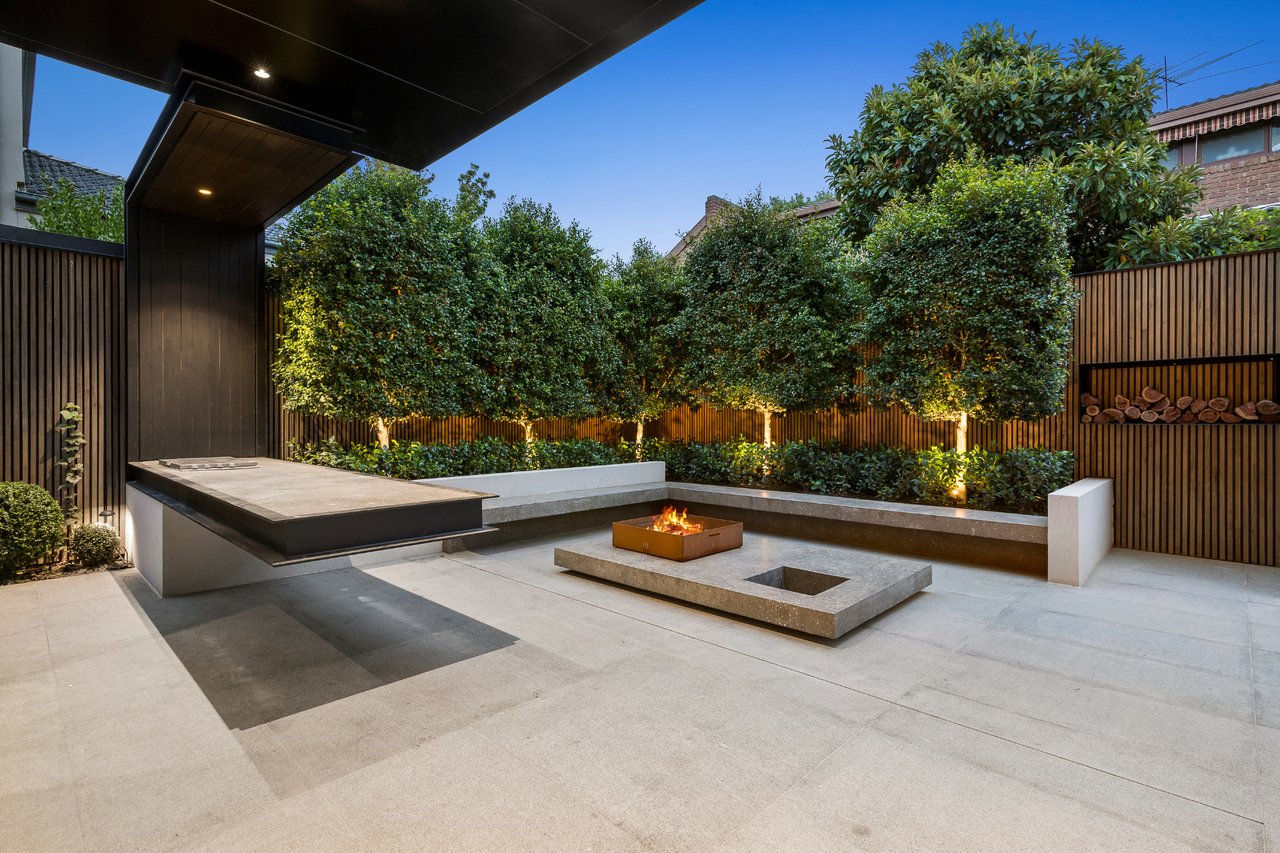
What makes a beautifully designed outdoor space so powerful in today’s luxury market?
Home Buying
Melinda Sarkis
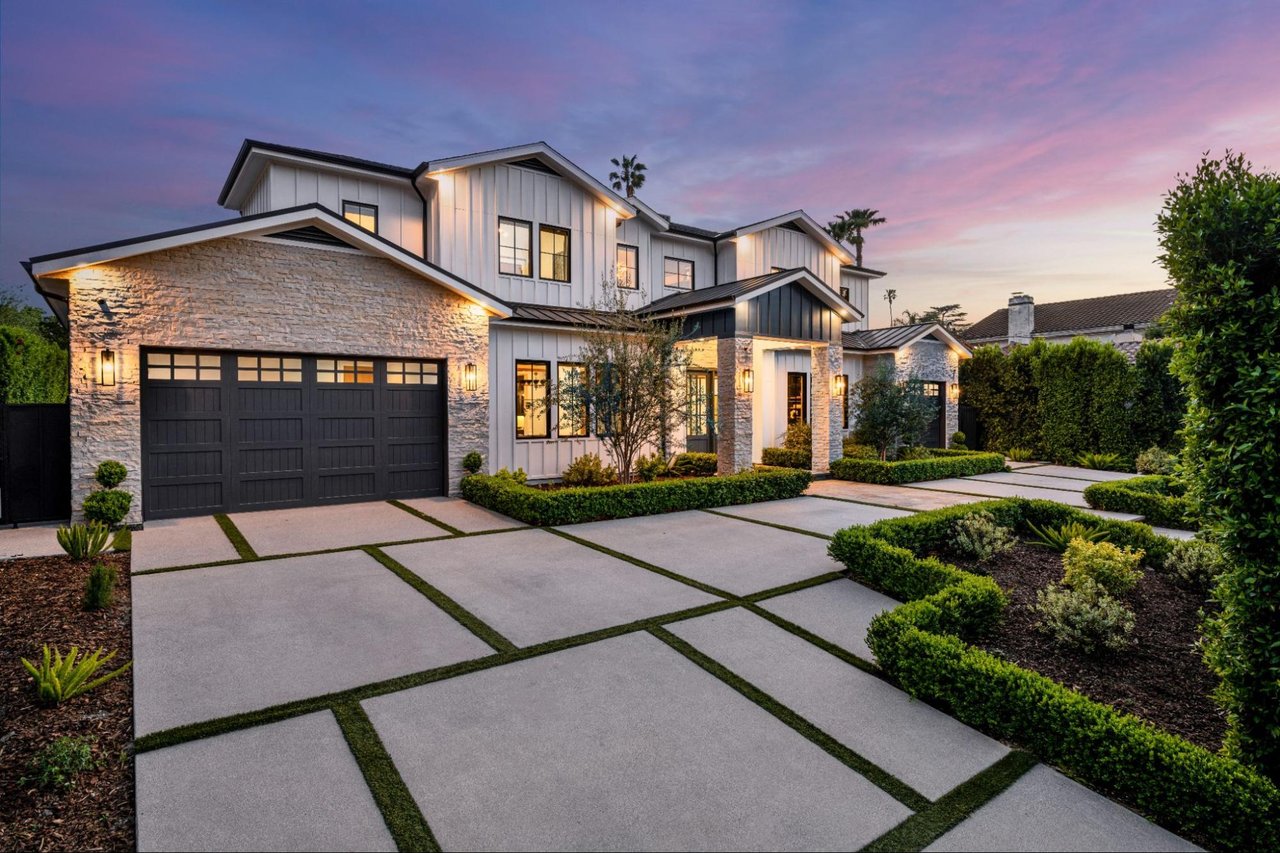
Why Early Preparation Is Key
Melinda Sarkis
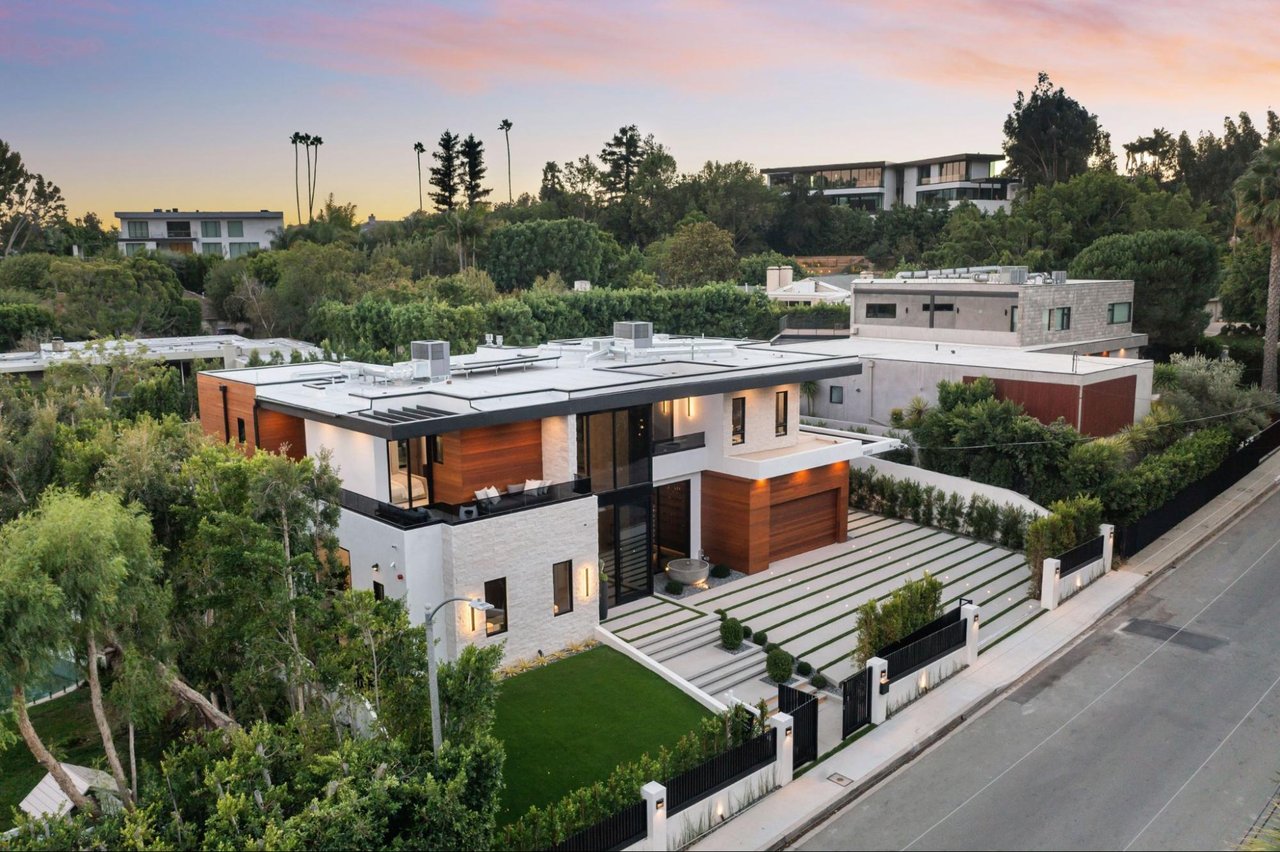
What are buyers really looking for these days?

Home Buying
Melinda Sarkis
A Shifting Landscape in San Diego Real Estate

Guides
Melinda Sarkis
Tips for Surfing in San Diego